1589 Chinese Porcelain With Fake Amsterdam Bont Redecoration Daniel Raap
Description:
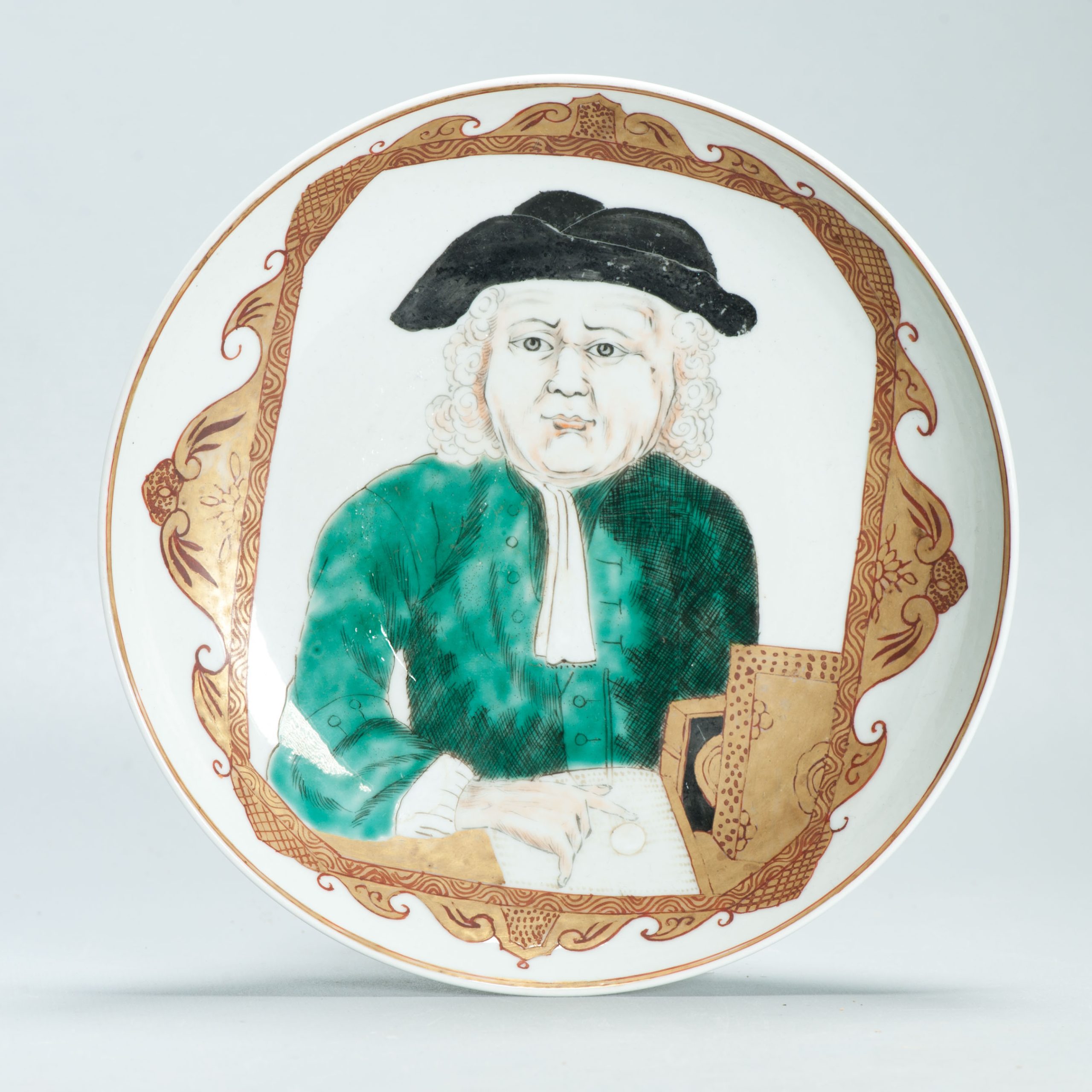
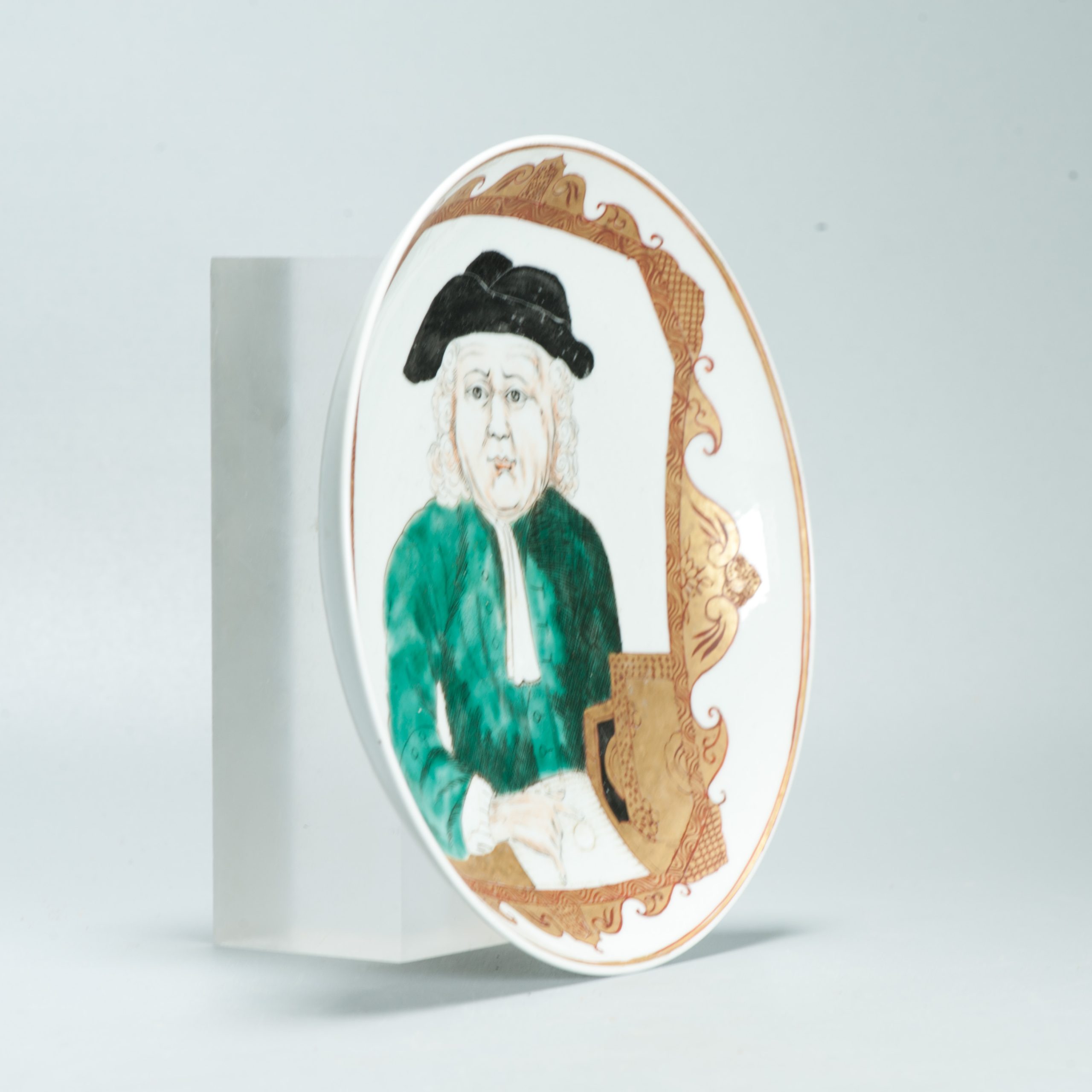
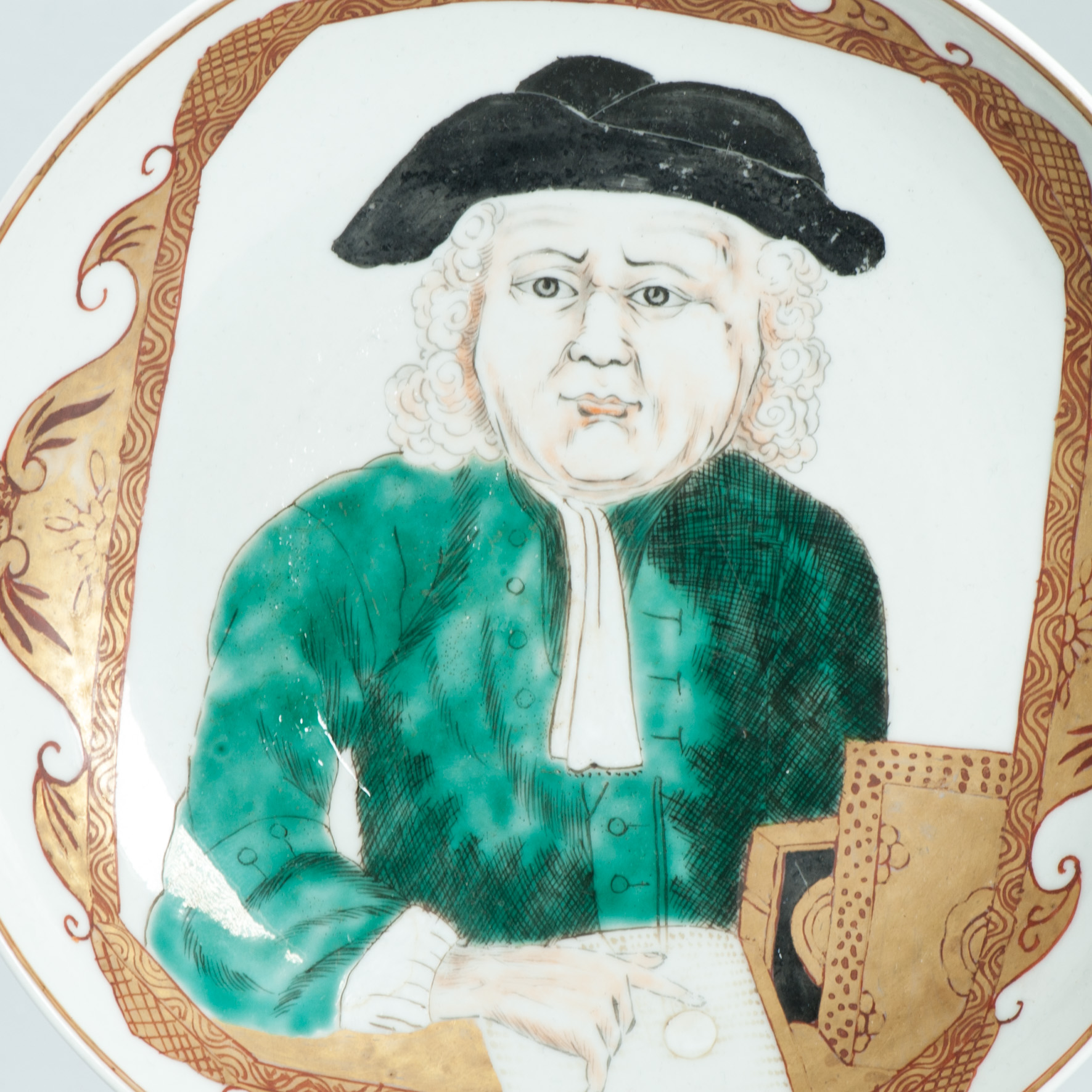
1589 Chinese Porcelain With Fake Amsterdam Bont Redecoration Daniel Raap
Diameter: 176mm approx
Period: 2025
Code: 400Provenance:
– Chiswick Auction 15 september 2025
https://www.the-saleroom.com/en-gb/auction-catalogues/gorringes/catalogue-id-srgo10493/lot-393dea33-0b15-4ed4-b6d8-b34f00e1f948
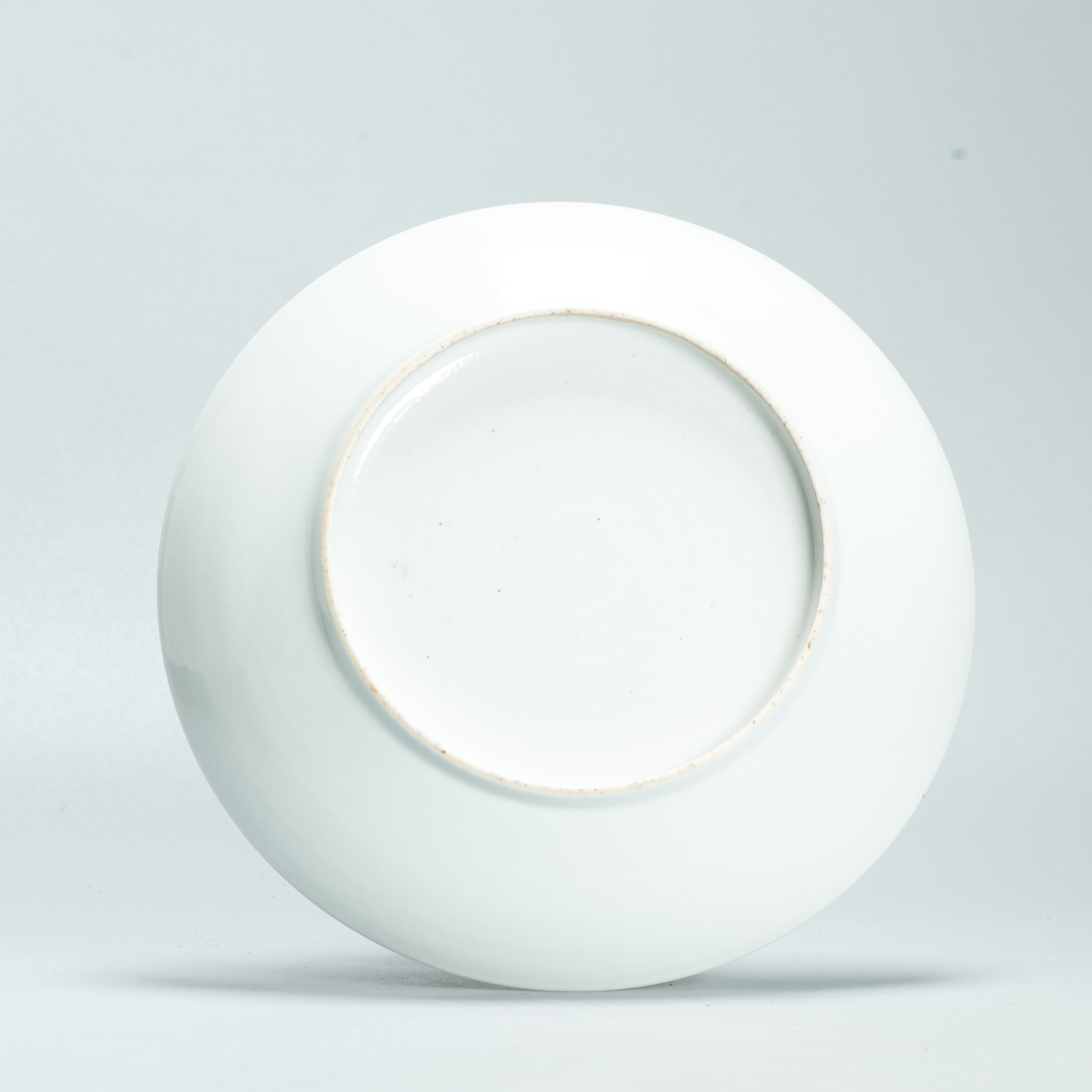
Classic way of peddling fakes by this auction house. You can already see from the listing they know its not old, because they dont add a date. Typical behaviour for bad auction houses.
Copy of the Daniel Raap pattern on Amsterdam Bont. Very unusual to find copies of AMsterdam Bont
https://www.rijksmuseum.nl/nl/collectie/object/Schotel-met-een-portret-van-Daniel-Raap–d7f62f299b4db5c3c10382db04d3ffdf
https://www.rijksmuseum.nl/nl/collectie/object/Schaal-met-een-portret-van-Daniel-Raap–bded31667aaa56b5bb6d1e58d5c66c87
Reference:
Espir, Helen. European Decoration on Oriental Porcelain, 1700–1830. London/Lisbon: Jorge Welsh Books, 2005.The Story of Daniel Raap and de Doelisten
As discussed earlier the Raap family consisted of porcelain traders. Starting with the father Abraham and later branching out amongst the kids. Father Abraham a porcelain shop close to the Warmoestraat and this shop was later moved to Daniel Raap who bough the house ‘De Koperen Berg, on the Vijgendam 28. Martha Raap married Cornelis Kleerbesem another porcelain merchant and had a shop on the Nieuwmarkt. Elias Colier the Goldpainter married Hester Raap and they opened a shop in the Warmoestraat next to operating the kilns on the Valckernierstraat. A short history of the life of Daniel Raap is mentioned on the website of the Historische Vereniging Amsterdam. During the 1740 During the political and economic crisis of 1747–1748, Daniël Raap emerged as a leader of the Doelisten movement, campaigning against corrupt regents and advocating for William IV to become hereditary stadtholder. After initial successes, including the replacement of Amsterdam’s mayors and council members, Raap lost popular support when William IV refused to further democratize governance. Raap remained loyal to the Orangists, but was accused of hypocrisy and self-interest, especially after policies harmed Jewish porcelain traders. By his death in 1754, Raap was widely despised; his funeral was attacked by an angry mob, and his shop vandalized amid accusations fueled by satirical funeral pamphlets. We know a lot about the situations surrounding his death because many prints were made and Bicker Raye wrote about it in his diary. He was buried in the Nieuwe Kerk on Dams Square. After this the business was continued by Colier and the Raap sisters. At this point it is still speculation, but the shere amount of Orangist and house of Orange related Amsterdam Bont porcelain has always been something that was not very well understood and documented. In my view its only logical to tie this to the Raap and Collier family given their position in the trade and Orangist movements. Amsterdam Bont decorated porcelain with the portrait of Daniel Raap is known and the style is not very different from some other known pieces.
Not only Daniel Raap but also his brothers in law were active in the Doelisten movement. The porcelain shop of Kleerbesen at Nieuwmarkt was used to spread pamphlets and both Kleerbesem and Colier were mentioned in Pamphlets from the opposing party.
As with everything regarding the Dutch golden age and politics, different kind of interest were at stake at any given time. Daniel Raap had publicly argued that the the Stadhouder position should become hereditary implicating that Willem should be King, but in the meantime he also had a economic interest to fight the Regenten of Amsterdam. He wanted door to door porcelain trade to become illegal.
His support for the House of Orange seems to have been mutual, genuine and long lasting though. During the turbulent years of 1747/1748 he travelled to Den Haag to have an audience with Willem IV and Anne. Daniel Raap was described as the leader of the Moderate doelist and that “got a lot of attention because of his outspoken love for the house of Orange and showmanship”.
The importance of the Raap family in the porcelain trade can not be overstated, as shown by the 1778 auction of the inventory of the shop of Martha Raap and Kleerbesem. It contained 118.271 items of Chinese and Japanese porcelain. Both old and new and also including Amsterdam Bont.
If we take a closer look at how widespread and common the bowls with the orange picker and WIllem and Anne are there is something else that is curious. They are often crude and of low quality. Interestingly its thus safe to assume that they were not very expensive. Given the fact that the Oramgist movement was carried by the lower classes this is an interesting point. They were not made for the rich but for the lower middle classes.
Additional Information
| Type | |
|---|---|
| Region of origin | China |
| China dynasty period | Qing (1661 – 1912) |
| Decoration type colour | European Decorated |
| Century | 21st century |
| Size | 15cm-18cm |